Author Archives: standickinson

‘Thinking With’ – My Photography – Progress Report 3

There may be ways of combining different aspects of my interests with an element of personal project.  My final PwDP assignment used a sort of still life/collage/archive mish-mash to respond to an event – a sporting event, ‘The Ashes’.  I have thought about exploring the potential to use what I might call ‘studio constructs’ to respond to real life events – studio documentary?  Might this be possible/important/relevant, with the supposed demise of traditional photo-journalism?

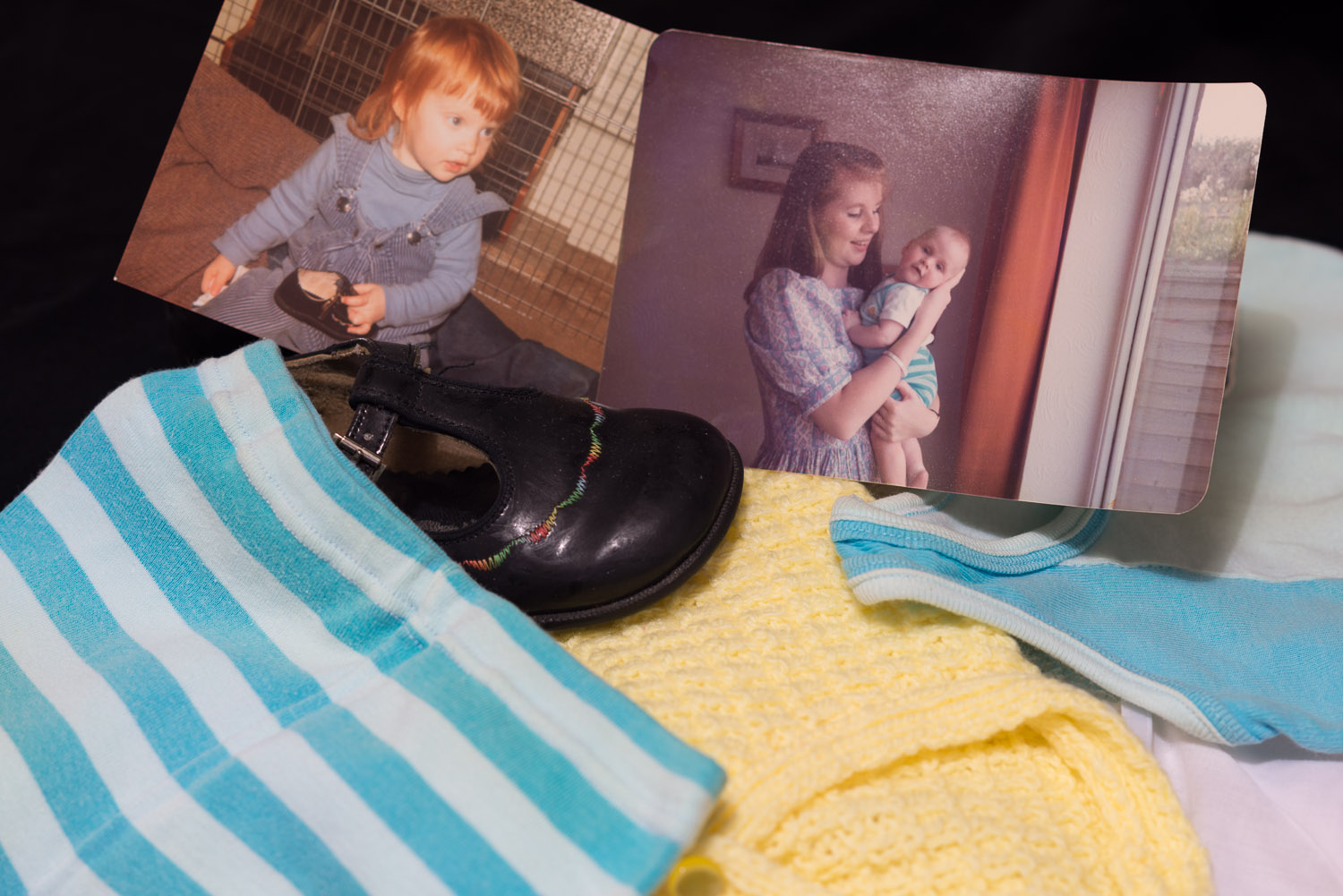
My final People & Place assignment involved portraits of people holding a possession that they had had since childhood, and this image sort of combines elements of all of that.

About Why 10 - Holding the past

The notion of holding something that we/others held in the past; I find that interesting … a physical connection that can unleash all sorts of emotional responses.  There are different references to ‘holding’ in this very personal image … and I have held all the objects in the image in the last few days, when I put them together.  And the traditional idea of a photograph as something to ‘hold’ – that has particular meaning today.  There isn’t a lot of thought gone into the actual assembly and composition here – but there is a notion with scope for further investigation.

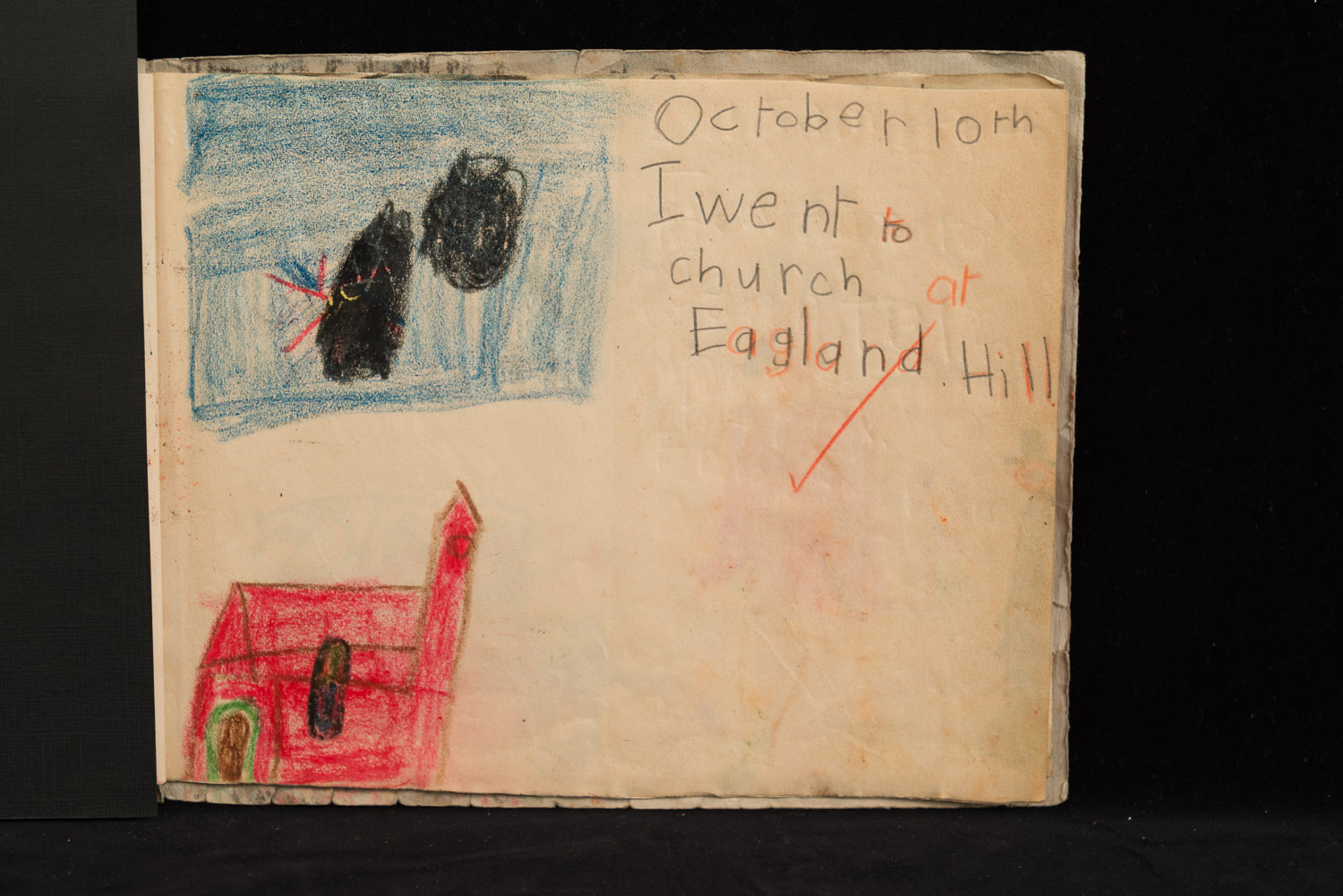
Holding a possession from the past links directly to this final group of images.  Between May 2nd 1955 and March 19th 1956, when I was aged 5-6, I kept (like all fellow pupils in my primary school infant class) a News Book.  It was done every Monday and tended to report what had happened over the weekend (often not much!).  My late mother hung on to it and now I still have it – 35 pages, each with a wax crayon drawing and some words in pencil, recording events in my life over that ten month period, getting on for sixty years ago.

Newsbook-1

I can’t help but feel some odd sensations, all these years later, holding the book in my hands and thinking about that child who made it – the little me (literally – I have pictures to prove it).

Newsbook-2

Newsbook-3

Newsbook-4

The events aren’t particularly impressive in themselves; and my drawing wasn’t up to much; but I can vaguely remember doing it, and even vaguely recall some of the events.  I’ve actually photographed the whole book and turned it into a 3 minute slideshow, as part of my ‘Thinking With’.  It’s here, on YouTube.

http://www.youtube.com/watch?v=40GdctbOOg0

This object – document, perhaps – has opened up other thoughts about personal projects.  The module notes identify a genre referred to as ‘Personal Journeys’ and I do intend, perhaps in the next few weeks, to go back to some of the places featured in the News Book and photograph them as they are now; some I will not have seen for year and years.

But then there is a much bigger idea that is developing in my mind – a challenging, genre-hopping project that might just be the basis for a significant Body of Work.  There are no clues in the pages of the News Book that point to the person I have become.  There’s evidence of a good Christian upbringing – long forgotten, in truth, but hopefully helping to for a ‘decent bloke’ – but not a lot more.  So – what if I were to take some of these pages as starting points for the construction of a series of fictional (largely image-based, of course) narratives of different versions of me – alternative ‘Stan Dickinson’s, that never happened?  … and on that bombshell… as Alan Partridge might say!

‘Thinking With’ – My Photography – Progress Report 2

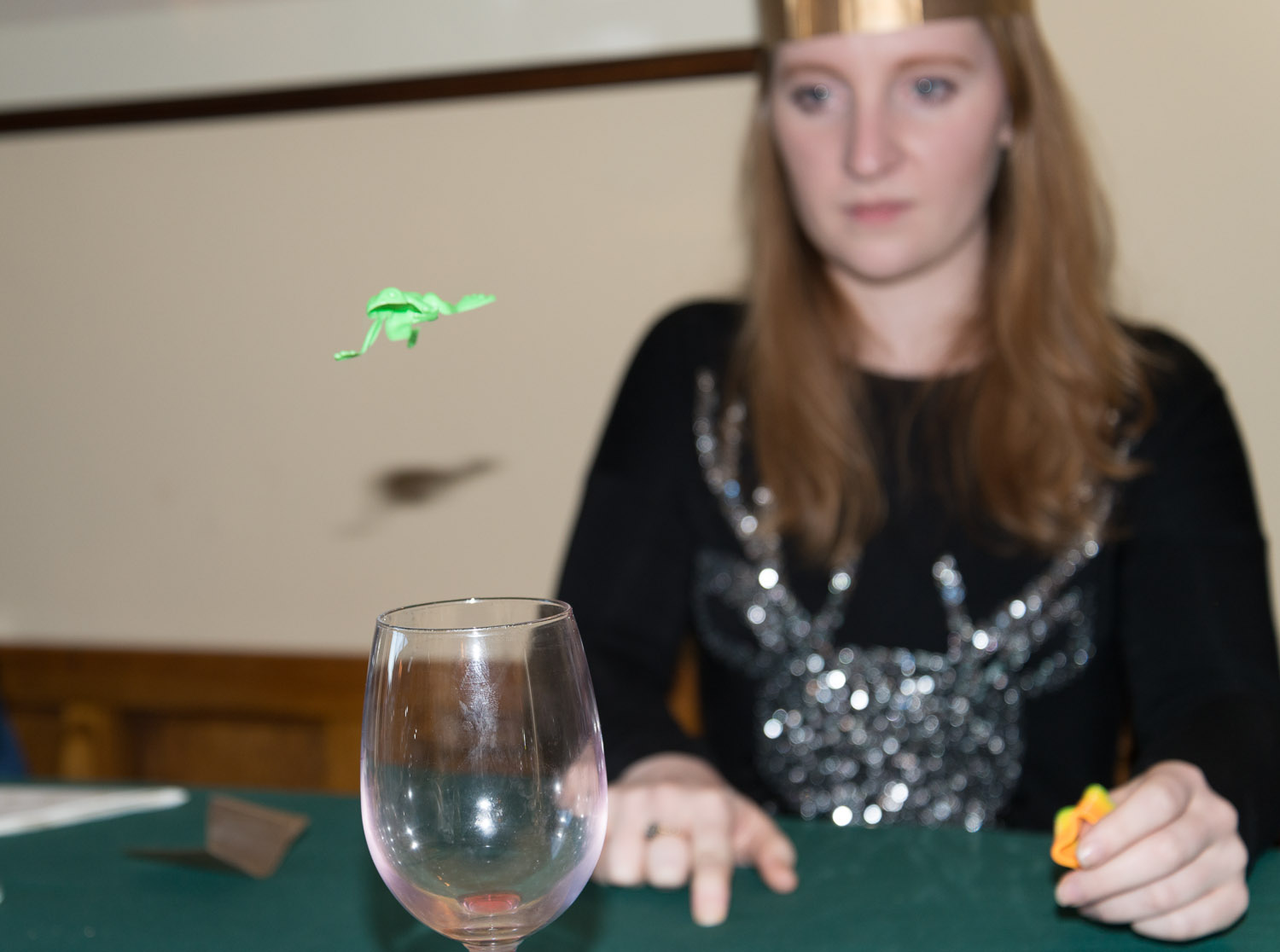
I said that Christmas intervened in my thinking with.  Inevitably, it involved some family fun and some family photos.  There can often be something quite surreal about these Christmas get-togethers.  So some of the photos of the photos have a touch of surreal ambiguity about them.

About Why 15 - Ambiguity

Photographs can certainly tell stories but they can also ask questions!  And trying to answer the questions can raise new ones and make the whole thing even more complicated …  Or is this the ‘decisive moment’?

About Why 16 - Resolving Ambiguity

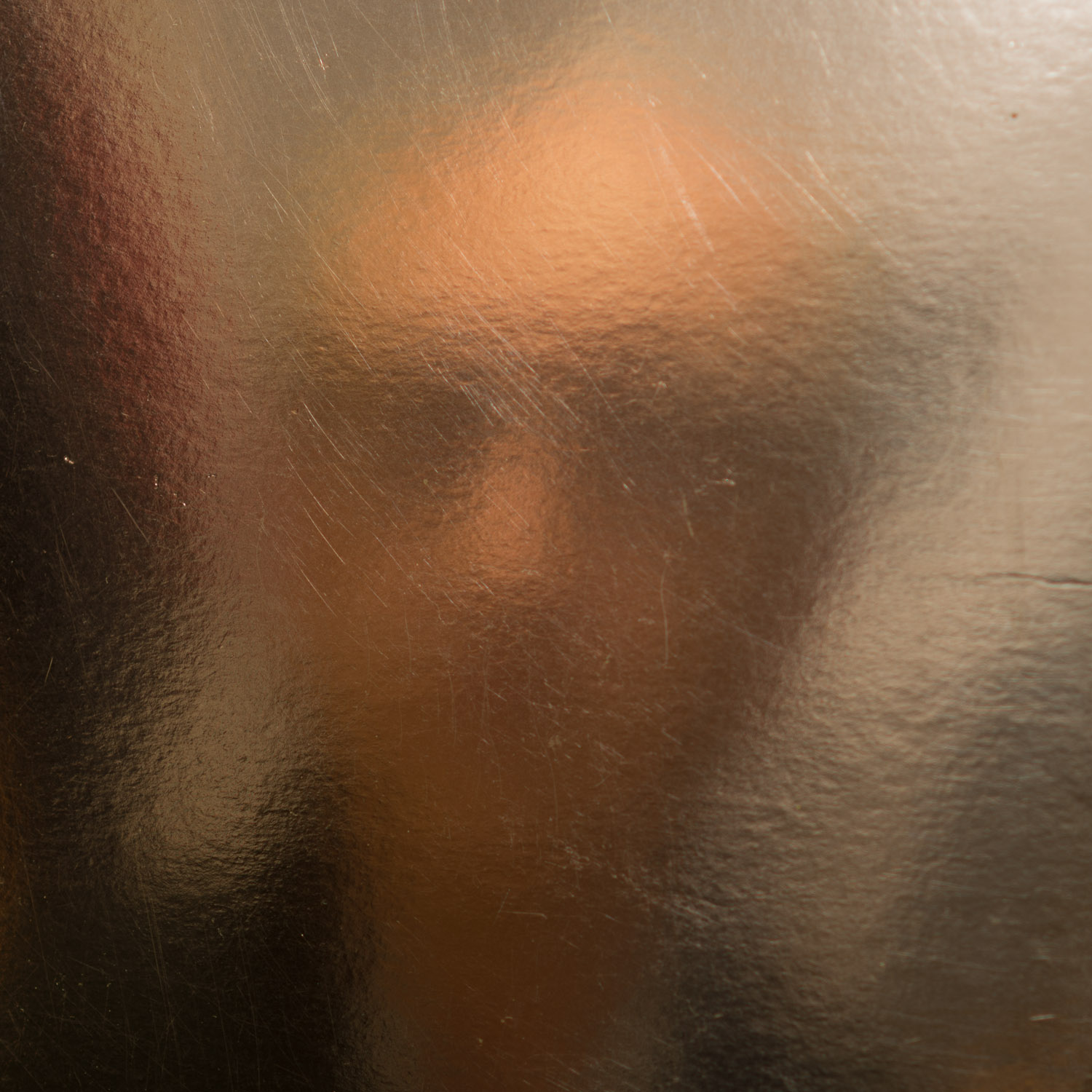
Which brings me and my ‘Thinking With’ indoors.  Into this ‘stream of consciousness’ approach to image making comes an impromptu self portrait.

About Why 11 - Me

I’m not sure this approach is clarifying anything!  And something photographed ‘to see what it looked like photographed’ (thank you Gary).

About Why 09 - Just to see

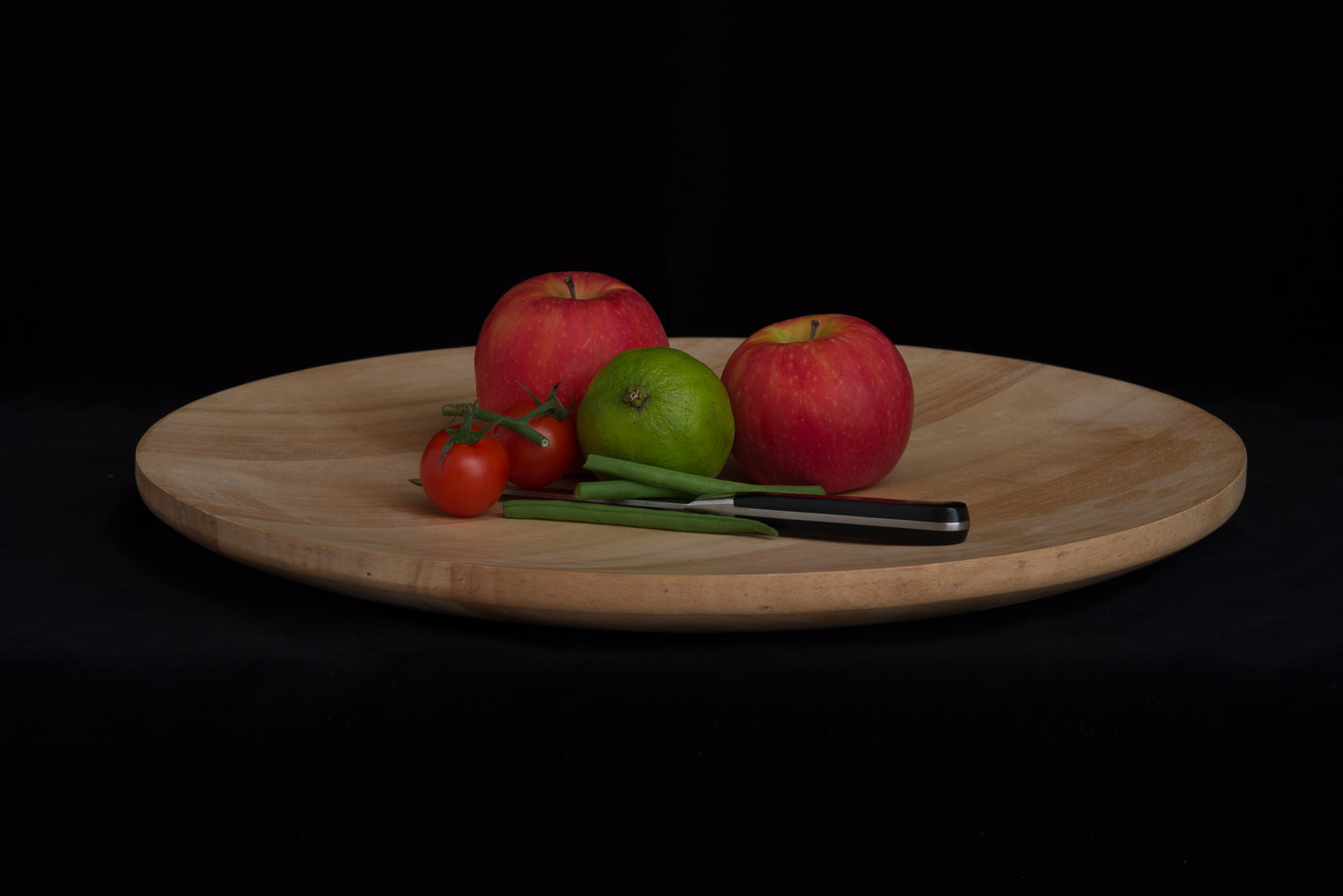
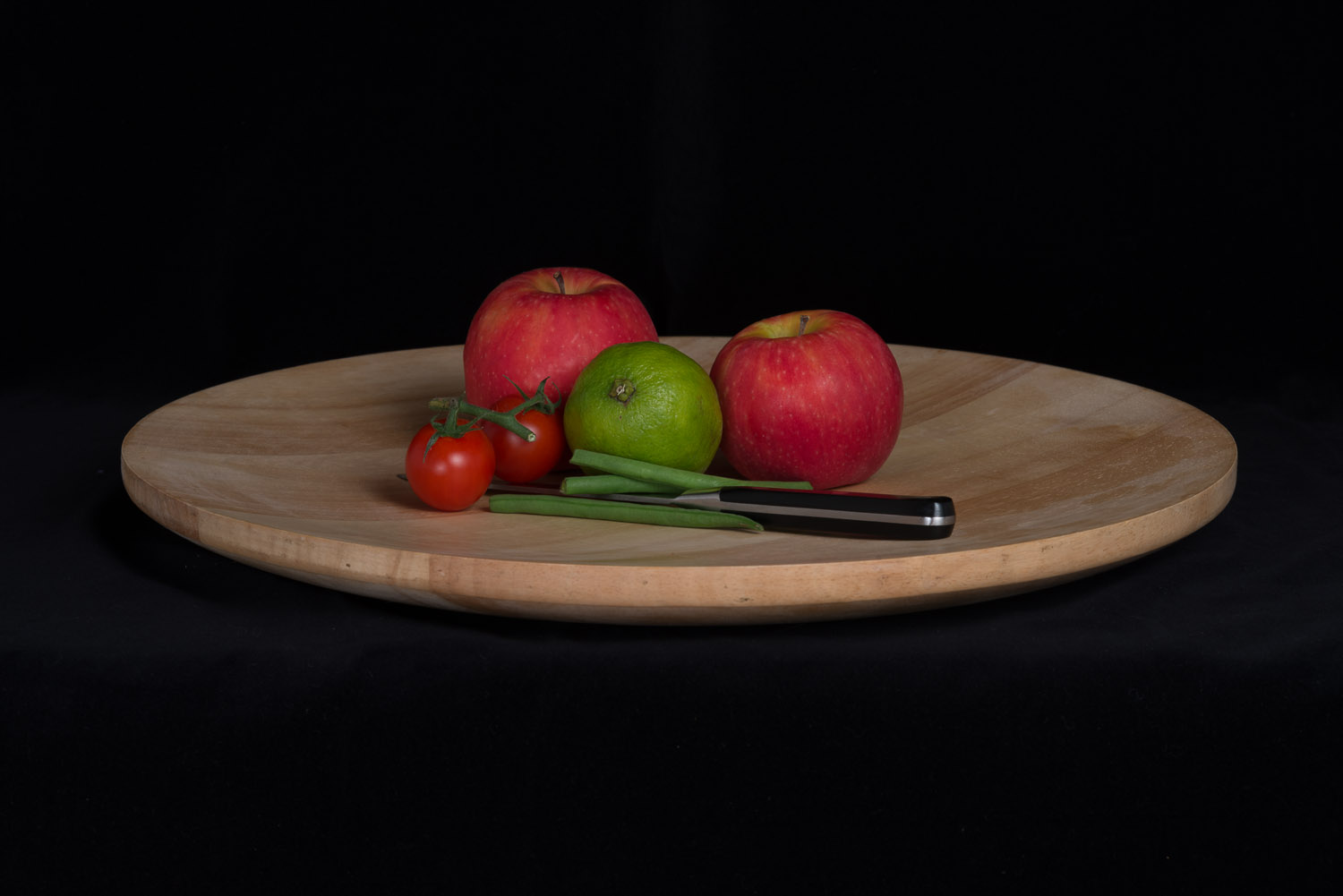
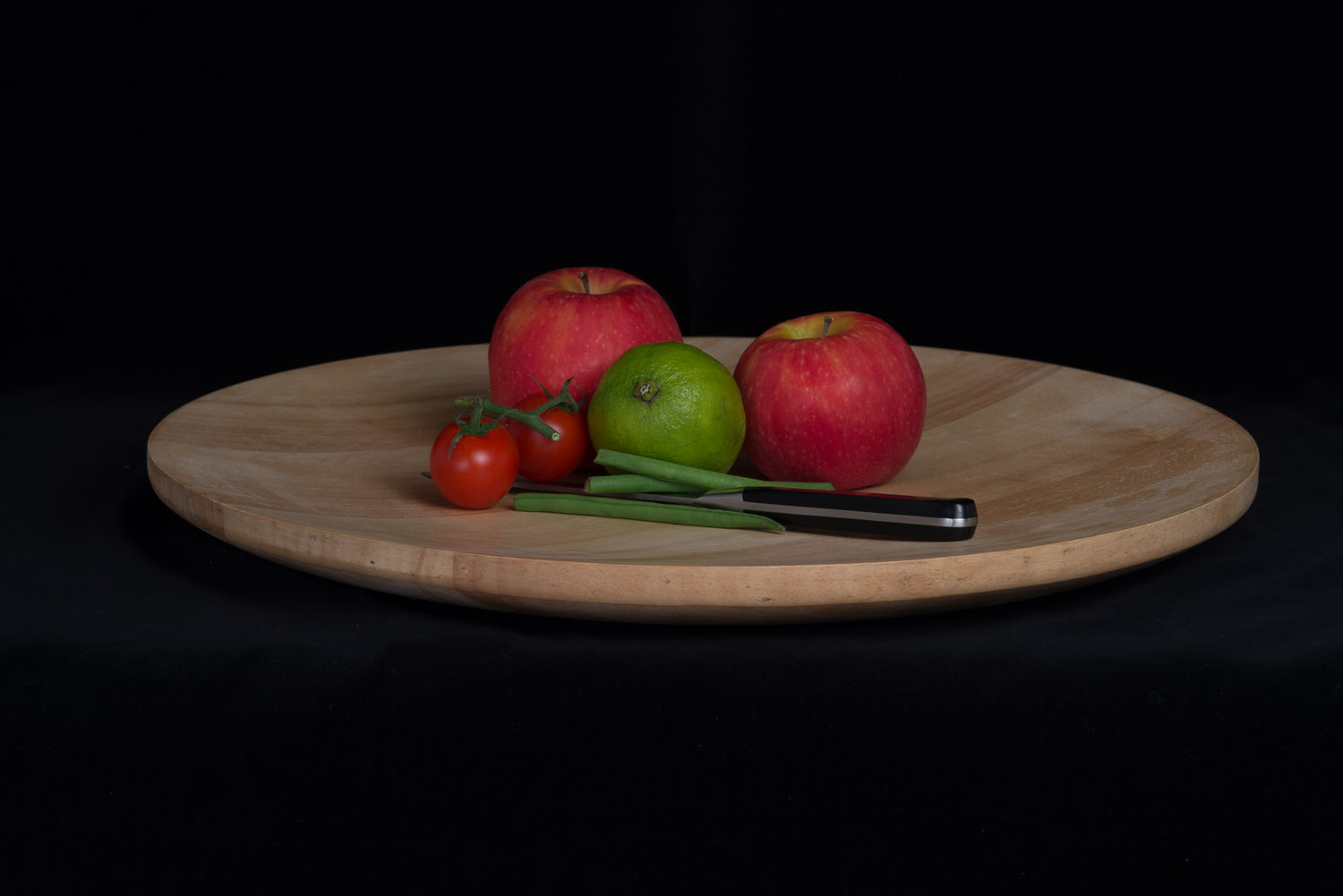
Which brings me to the matter of ‘Still Life’.  That artistic genre led me through the latter stages of Level Two and I am well aware that I am not likely to drop it anytime soon.  Time to do some thinking with it.  I like a flat, even, subtle light (see most of the landscapes above); so some experimentation with my ‘studio lights’, designed to achieve the subtlety one might associate with a still life painting.

About Why 12 - Subtlety 1

About Why 13 - Subtlety 2

About Why 14 - Subtlety 3

The differences are subtle – but the top one works best for me – a single 500 watt bulb, turned upwards and away, then diffused with a hand-held diffusing ring.  It could, perhaps, be brightened a little, but I approve of the soft, even feel – some important, subtle judgements in trying to get this sort of thing just right.

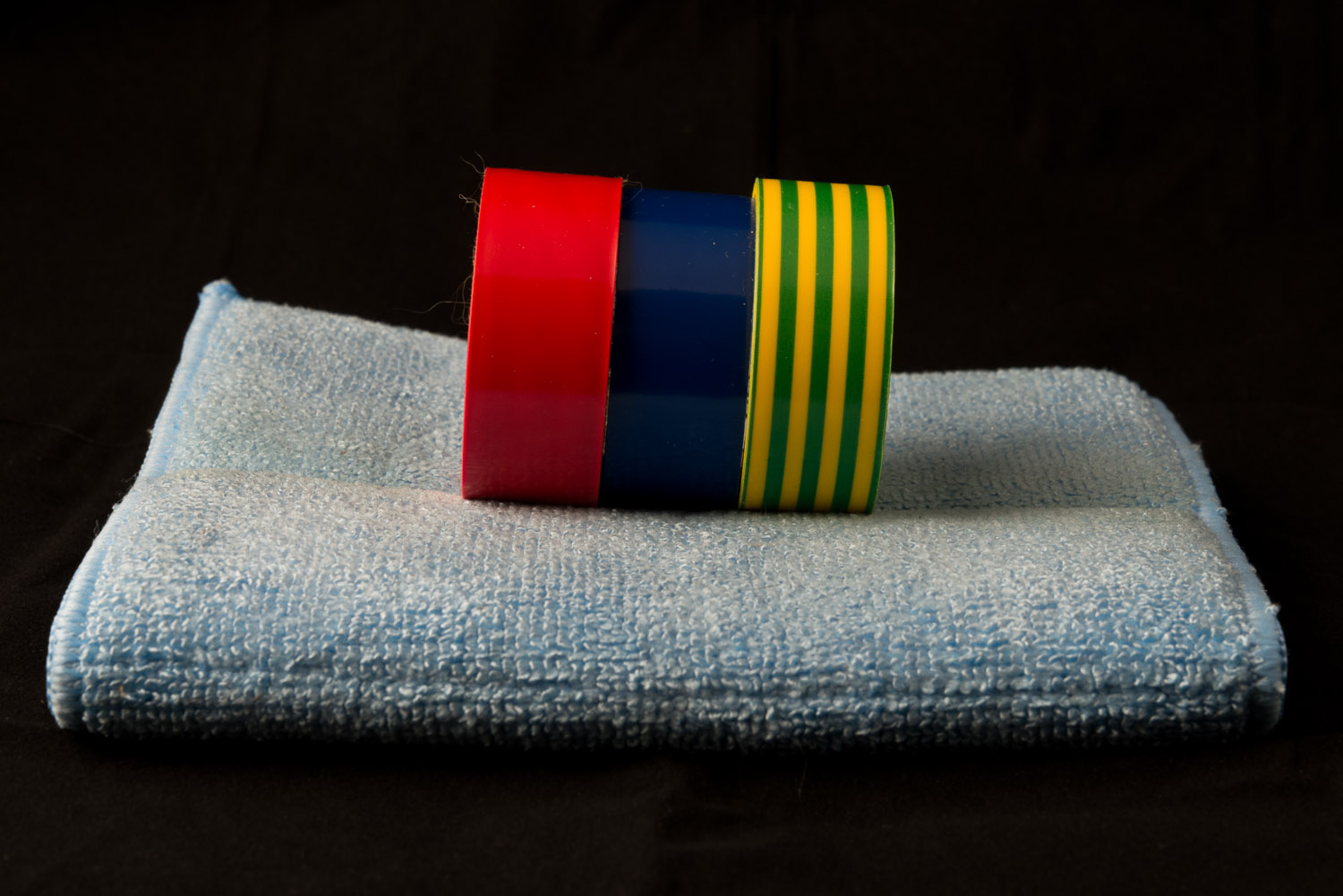
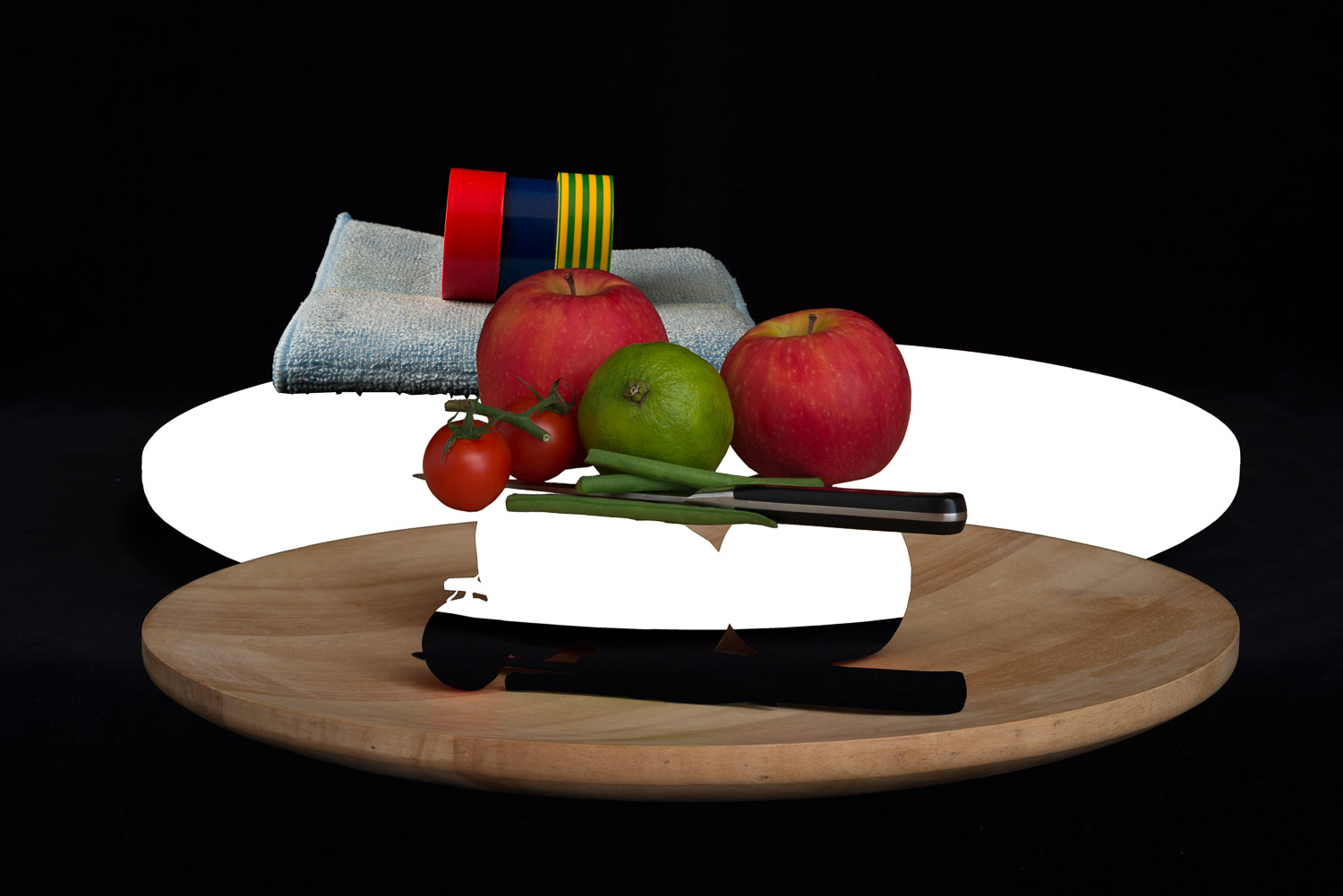
The contemporary ‘still-lifers’ that I studied for my Level Two essay – Lucas Blalock, for example – like to experiment with ordinary objects, rather than the traditional still life ‘matter’.  This is some colourful electrical tape, with a cleaning cloth.

About Why 17 - Colour, Texture and Light

And, like all good, thrifty still-lifers, I can combine, re-use, and experiment with familiar, easy-to-hand objects.

Still Life with Electrical Tapes and Cabling 1

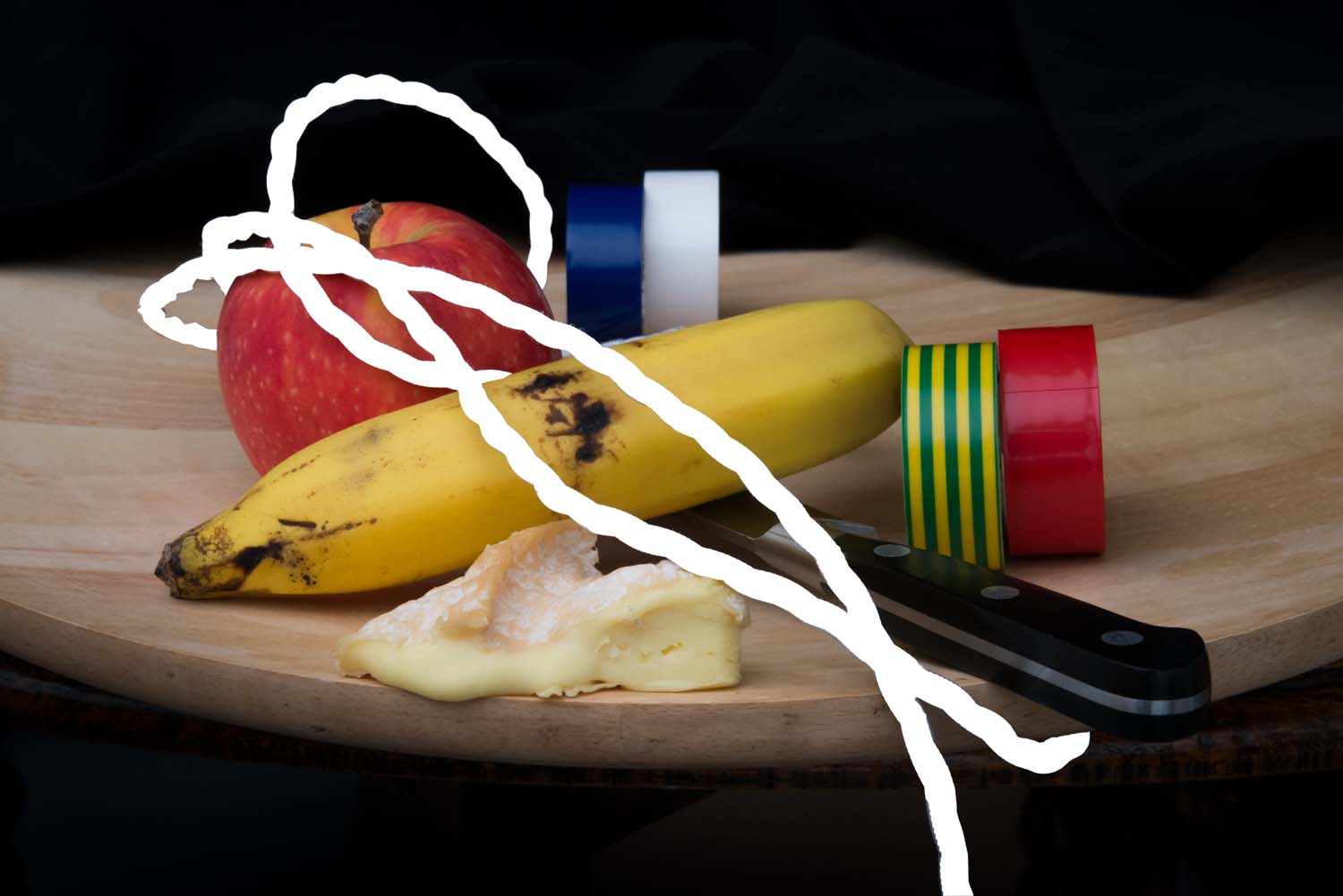
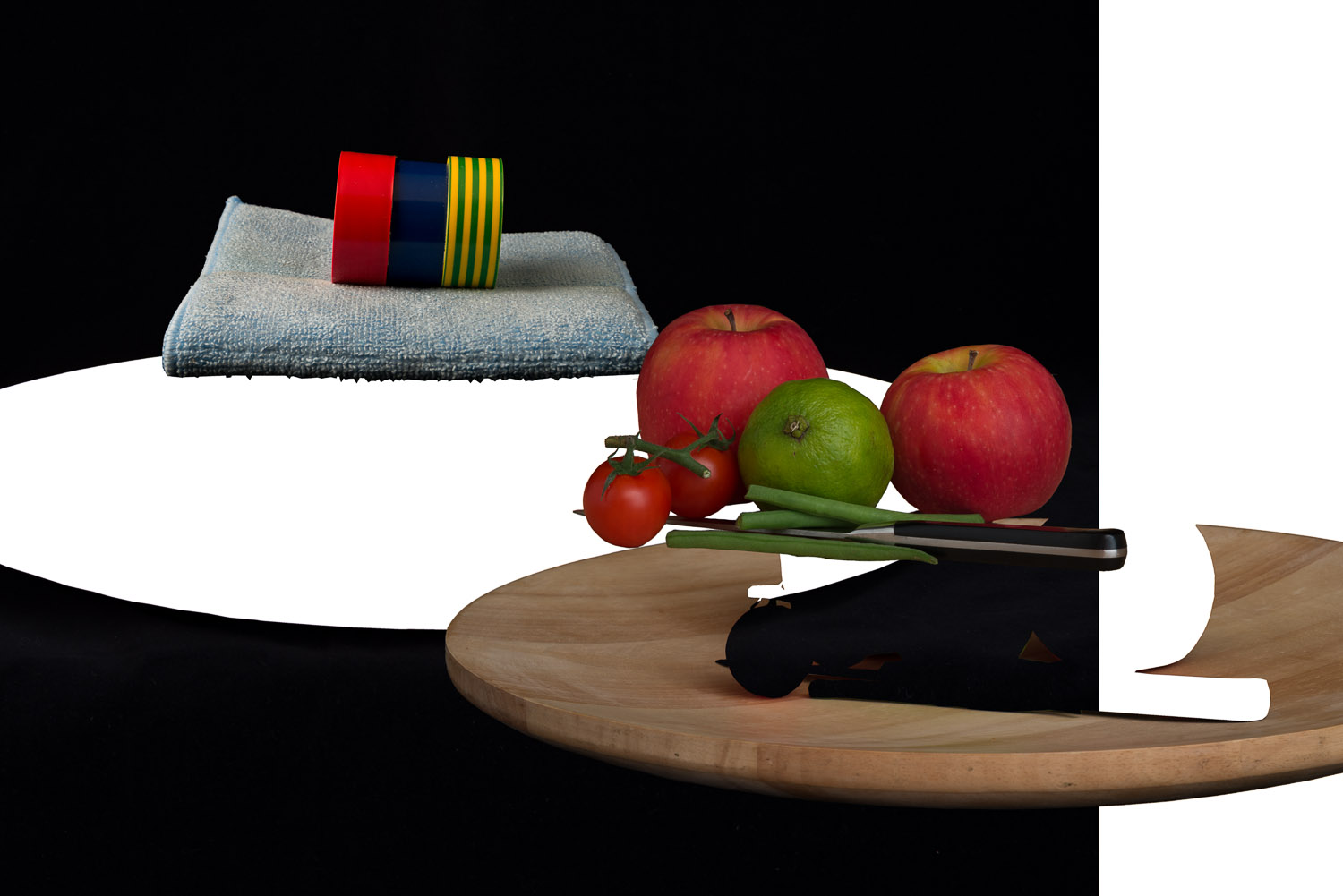
But my real interest in digital still life lies in the scope to experiment further and test the boundaries.  I’ve said that one of my objectives in my ‘Body of Work‘ module is to explore and exploit the potential of digital image-making.  I’m interested asking ‘What can we actually do with this process? and ‘What does that look like?’.  The words that occur to me are “disruption and subversion”.  What happens when we blatantly use the power that digital processes give us and disrupt the normal flow, subverting the genre.

Still Life with Electrical Tapes and Cabling 2 (Removed)

Still Life with Disruption 1

Still Life with Disruption 2

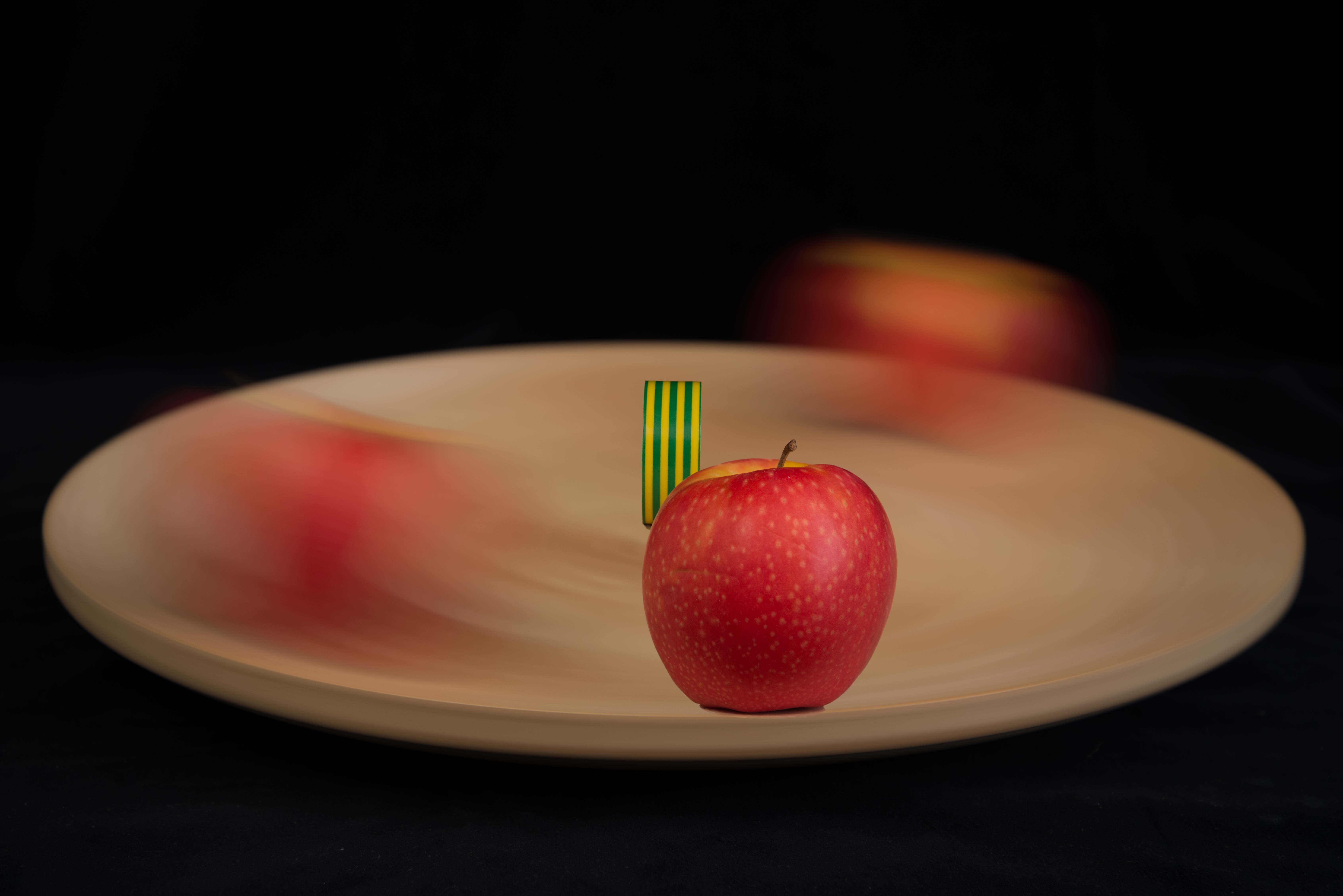
What happens when we subvert the very idea of ‘still’ still life.  (cf. – Ori Gersht & Sam Taylor-Wood, who have produced moving still lifes).  This following type of image really interests me.

Still Life with movement

I find it visually attractive, slightly intimidating … it challenges me to try and decide what it is.  I could print it big & beautiful, and hang it on a gallery wall – in which case it would definitely be ‘real’.  But what is it an image of, and why do I find it attractive.  I do feel the need to explore more of this within my Body of Work.  I am, though, as mentioned right at the start of this blog, very wary of getting too far up my own backside with intellectualising.  That still troubles me and I wonder whether I should be looking at a more personal project.

‘Thinking With’ – My Photography – Progress Report 1

Six weeks since my conversation with Clive; about five since my early reflections on ‘Genres’ & ‘Thinking With’ rather than ‘About’; some posts about research on Genres (Thinking About!); Christmas has intervened; but no photographs!  What’s been going on?  Actually, I’ve had those words in my mind, a mantra to which I’ve kept returning; and I have been taking photographs/making images, some of which I’ve shared with fellow students on Flickr. Mostly, from mid-December, I’ve tried to free up my mind & take photographs, just to see whether themes/ideas/concepts/purposes/meanings emerged.  In the last 24 hours, I’ve poured out a stream on consciousness into my notebook, exploring what might be going on.  I’m not going to repeat all thoughts in this blog, but communicating my thinking is going to take three or four posts, of which this is the first.

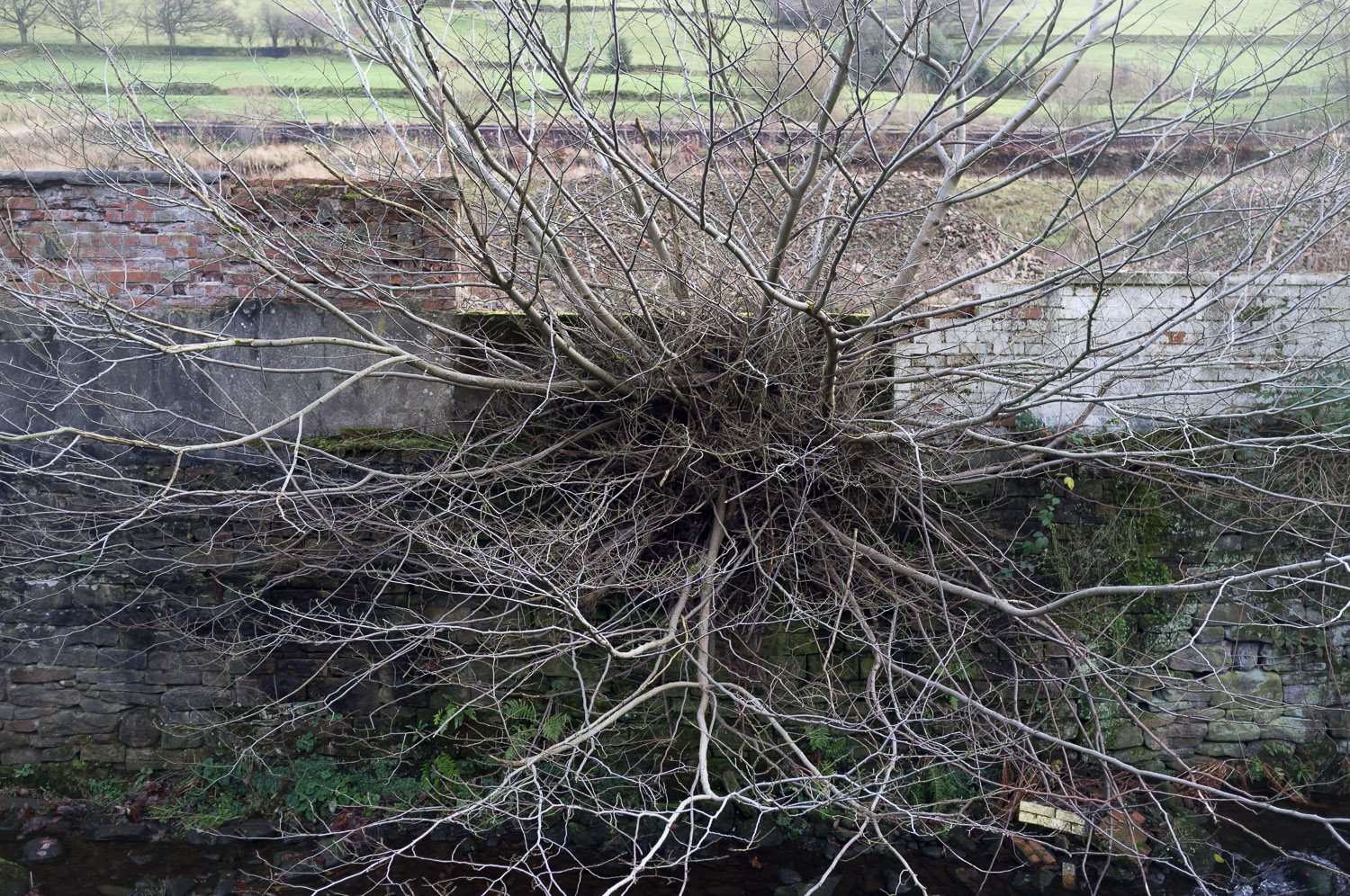
To start with a photograph – I took this one about a month ago …

About Why 01 - Out of Nowhere “Out of Nowhere”

Out for a walk on my own; had picked up the camera, hoping to do some ‘thinking with’ … letting my mind relax; opening my eyes to see what I see; just photograph what I want … regardless.  I called it “Out of Nowhere” (later, when reflecting) – the wish to photograph it came out of nowhere; the tree is growing out of nowhere; and out of nowhere I was away, taking some pictures.  Why photograph it?  It made me think of an explosion, actually, but I needed to be careful not to start thinking ‘about’.  THINK WITH … take photographs & think afterwards!

About Why 02 - Its complicated “It’s complicated”

It isn’t easy!  Six years of studying and learning to think ‘about’ gets in the way; it almost gets easier to think and not photograph.  What made me take photographs when it didn’t matter?  Seeing abstract shapes, forms colours, patterns, textures in the landscape …  Not being a painter or drawer. photography gave me the means to record and communicate these things.

Sometimes, the strangest connections just happen …

About Why 06 - Why not

Plastic on Wire

There is no connection at all, of course, other than a sort of accidental, formal one, in my own mind; a convenient one that I choose to make.  Like …

Homage to Usain “Homage to Usain”

It’s more than three years now since I completed the OCA Landscape module. My last assignment involved many visits to a particular site, where I had found resonance with Joel Meyerowitz’s photos of the 9/11 site.  It hasn’t changed much in three and a half years …

Revisiting Lanscape II

I took a version of this next image on a Level One module – Introduction to Digital Photography.  It was a more colourful, blue sky and autumnal version, but I think I prefer this one … still surreal, though, in a quite weird way.

Real Surreal

John Stezaker began his collages and film stills series (which I wrote about here) when he had a print of a film still upside down for years.  It had a reflection of a woman’s face in the shiny top of a grand piano.  I wonder what would happen if I turned this one upside down?

Genres – Responding to the archive

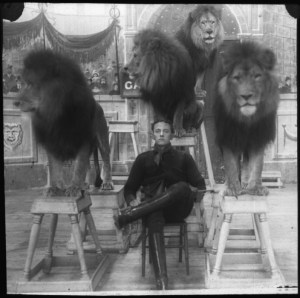
Lion Tamer - Tyne & Wear Archives & Museums

Lion Tamer – Tyne & Wear Museums & Archive – via Flickr Creative Commons

I was looking for something to illustrate my reflections about ‘the archive’ and specifically searched for a photo of an archive.  Nothing came up, but this photograph leapt off the screen at me.  It was, originally, a glass slide, one of a number of fairground images in that format found in a store at the Discovery Museum, Tyne & Wear.  There is absolutely no information about the photographer, the subject, the location, the purpose – nothing.  It is so tempting to begin to speculate, to interpret.  But what right do I have, probably one hundred years after it was taken?  Leave him and his lions (well two of them at least) to stare out at us over the decades; and let whatever is happening off frame, to their right, remain a historical mystery.  This is just one of the billions of images I can access, almost instantly, via the 21st century ‘archive’ that is the internet.  Is there any wonder that so many contemporary artists use that creative potential to seek to create meaning?

Coincidentally, the Tyne & Wear Archive was one of several sources of photographs, prints, paintings, artefacts, recordings and other parephenalia, used by Jeremy Deller in putting together ‘All That is Solid Melts into Air’, which is currently on show at Manchester Art Gallery, and which I saw last week.  To be a little more precise, he sourced from 9 museums; 2 libraries; 2 city archives; 4 art galleries; plus various artists & private collections, as well as creating some of the work himself.  Deller’s working method is very curatorial; and I suppose there might be debate as to whether this was ‘his work’ or just an exhibition that he has curated.  I would go with the former – but I’m not sure it matters.  What he does, with this work, is invite the 21st century viewer to consider and relate to his/her history – specifically to the impact of the Industrial Revolution on British people and culture – by a careful and clever juxtaposition of images, artefacts, sounds and creations, from the very recent past to the late eighteenth century.  It is fair to say that, in the context of this note and this section of my Body of Work module, he is working with and responding to ‘the archive’.

The module notes invite me to look at an article written, in 1986, by Allan Sekula, titled ‘Reading an archive: photography between labour and capital’, which appears in ‘Visual Culture: a reader’, edited by Evans and Hall, Sage Publications, London, 1999.  The article links the photographic archive with power, in the context of economic life (pertinent, therefore, to the Deller exhibition).  In essence, the argument goes along these lines:

  • The archive is ‘property’ and subbordinates original meaning and use to the logic of exchange.
  • Meaning depends on context and the archive, by supplying institutional authority and control, shifts images away from their origins and so may release the user (of the archive) from the responsibility to refer to original meaning and purpose.
  • This maintains a hidden connection between knowledge and power.
  • He also questions the validity of photographs as historical documents (or at least he questions history that is based on photographs) and as artworks.  The former tends towards spectacle and exoticism and the latter towards romanticism (if it favours the authorial perspective) or detachment, irony and even contempt (if it treats the photograph as a found object to be ‘interpreted’ – my ‘Lion Tamer’, for example).

Photography, Sekula concludes, has served as a tool of industrial and bureaucratic power.

Reflecting on this, I note:

  • that it was written nearly 30 years ago, in the context of physical, and largely institutional archiving, as opposed to open and digital archives;
  • that the scale of what might be interpreted as the photographic archive has moved on, as have the means of organising and the scope for searching and selecting images;
  • but the ‘power’ issue is potentially even more important – in the context of online archives, stock photography, sophisticated search engines, and the explosion of web-based vernacular images;
  • plus, the subordination of original use and the scope for new meaning becomes even more significant when ‘ownership’ is a) disputed anyway, with so many ‘orphan images’ circulating the web, and b) even further separated from the originator and any notion of authorial authority.

In ‘The Photographic Image in Digital Culture’, edited by Martin Lister, Routledge London, 2013, Nina Lager Vestberg’s article ‘The Photographic Image in Digital Archives’  confirms that 1980s critical studies of the archive, such as Sekula’s, were concerned with the ‘uses and abuses’ of the archive and approached the idea from a materialistic perspective.  Looking with a more contemporary perspective, she distinguishes between ‘Digitisation’ of images, including those from the old, physical archives, and ‘Computerisation’ of working practics – the latter leading to a changing role for the archivist (interfacing between user and ‘system’ as opposed to user and ‘image) and the ‘invisibility’ of the algorithmic search.  In the context of ‘stock photography’, she also notes the huge increase in staged or modelled images designed purely for stock purposes (Paul Frosh, in the same publication, refers to the ‘wallpaper of consumer culture’); the use of keywords (often highly conceptual in nature) to fuel searches and retrieval of images; and the changes to licencing rights.

Which brings me, directed by the module notes and in the context of keywords, to Taryn Simon’s ‘The Picture Collection’, an exhibition based on selections from the New York Library’s picture archive.  That archive comprises 12,000 folders, with individual titles such as ‘Handshaking, ‘Express Highways’ and ‘Yellow’, to name just three, which contain, in total, 1.2 million physical images, collected together by the library staff, since 1915.  Simon makes her own selection, from a selection of the folders, to create large scale ‘collage-type’ images.  Even without seeing the physical exhibition itself, one is prompted to reflect on the very process of the archive’s compilation over nearly 100 years, and the short video in this link highlights the fascinating juxtaposition of images the archive has produced.  But I am also prompted to relate this work to the concept of ‘Keywords’ in contemporary digital archiving.  The NY Library staff, over the years, have made individual decisions to place each specific, physical image into a specifically named physical folder.  Vestberg quotes just one, relatively insignificant image that she uses to illustrate her article as having well over 100 keywords attached to it – the equivalent of placing it in over 100 of the NY Library folders at the same time, of course.

For me, this is another illustration of the challenge, in critical photographic studies, to keep up with and ‘contain’ (in a critical theoretical sense) the changes brought about by the internet and digital media.  Issues of power, control, politics, economics, meaning and truth, all of which might reasonably be discussed in the context of a photographic archive, become even harder to fully comprehend.  So, one senses, critical theory and study can become more a question of ‘coping’ than of explaining and understanding.  Frosh, in his article in the Lister book above, refers to Getty Images as having an aspiration to become a ‘total archive’.  (He compares Getty to Hobbes’ Leviathan.)  Where, one wonders, does that take Sekula’s questions about ‘power’?

One brief reflection on the ‘Lion Tamer’ – what would he make of these questions?  I allow myself that reflection only to emphasise to myself that I probably have about as much chance of knowing what his life is all about as he has of comprehending mine.  The archive, especially the great archive we call the internet, is a powerful, attractive and tempting source of creative imagery and meaning – but one to be read and interpreted with some caution.
Genres – Tableaux – Gregory Crewdson

51JANQFQ6KL__SX385_

The module notes ask me to do some research on Gregory Crewdson’s work and reflect on how it relates to ‘… film and/or art’.  The research has taken me into five or six photography books from my shelves; two NY Times articles from the internet; a written interview from Aperture website; three video interviews from YouTube and Vimeo; plus online viewing of several images from ‘Twilight’, ‘Between the Roses’, ‘Sanctuary’ and some earlier works.  So, where has that led me regarding the ‘film and/or art’ relationship?

There are unmistakable areas in which one can make direct references between Crewdson’s images and film.

  • Production process is the most obvious.  He employs a significant team of staff to produce the works, including Art Director, Casting Director, Location Manager, even camera operator, whilst taking an overall directorial role himself (that does not involve actually handling the camera).  It might, therefore, be argued that producing a Crewdson photographic image is more akin to making a movie than taking a photograph.  And that might be extended into post-production, with many ‘takes’ being combined, through digital processing, into a final version of the image.
  • Comparisons are also made in the narrative context; a suggestion that his work resembles science fiction or horror movies; that he almost seems to collapse the entire story of the movie into a single image.
  • Which leads to, or is maybe directly related to, the resemblance to film stills.  I have recently looked at film stills in the context of John Stezaker’s work – here – and it becomes clear that this type of image is not quite what it ‘says on the tin’.  Far from being ‘still’ frames from the film, they are carefully staged and posed images, shot with a still camera on the film set, intended to ‘inform’ the viewer of a sense of the film, its narrative, and its genre.  As such, Stezaker suggests they have something in common with paintings.  Crewdson’s images have all those characteristics – posed, still, somewhat ‘unnatural’ – and so do indeed resemble ‘stills’ (though that might also relate them to paintings – see below).
  • Whilst my research hasn’t turned up any information about Crewdson’s funding of his work, the level of planning/production, the large crew, etc all suggest a significant budget, which must be pre-funded in some way – backers, pre-purchase of the limited edition prints, or whatever.  This commercial aspect will, one might assume, have something in common with the process of movie-making.

Turning to the relationship between Crewdson’s work and ‘art’, it is tempting to get into the debate over ‘what is art?’ and to question why ‘film’ is being differentiated from ‘art’.  Since that isn’t, I’m sure, the point of this piece of research, I’ll work on the basis that ‘art’, in this case, is probably referring to the commonly-used, narrower definition of painting, drawing and the ‘traditional’ visual arts.

  • Several of my references have made a comparison between Crewdson’s work and that of painter Edward Hopper; and Crewdson himself acknowledges the influence.  One can make direct, ‘physical’ comparisons – looking through windows; ambiguous scenes in suburban USA; the ‘gaze’ of the figures, often staring off-frame, we know not whence – but perhaps the sense that the images are exploring some psychological state of mind is an even stronger axis of similarity.  That state is usually more dramatic in Crewdson’s case – relating, no doubt, to the oft-quoted, and acknowledged, influence of his father’s psychoanalyst profession, with consulting room in the basement of the family home.
  • In the context of the identified genre of ‘tableaux’, these are carefully constructed and composed images, with high levels of attention to detail (books on tables, pictures on walls, reflections in mirrors), often details that have significance in suggesting narrative – all factors that resemble the construct of traditional paintings.  I am reminded of reading Michael Fried’s ‘Why Photography Matters as Art as Never Before’ (Yale, 2008), in which there is a detailed examination of Jeff Wall’s constructed photographic images and their relationship with classical painting.
  • Even the production process mentioned above, whilst most closely resembling film production in the literal sense, could also have much in common with the ‘studio-produced’ work of a Leonardo da Vinci or Anish Kapoor – to name two disparate artists who were/are certainly not ‘hands-on’ but ‘team-based’ in their output.
  • And Crewdson’s work is certainly targeted at the ‘art’ market.  The investment of time and money in creating images which, printed very large in editions of six, sell for tens of thousands of dollars.  He makes his work as ‘art’ in that sense.

In summary, whilst Crewdson’s images reference ‘film’ in a number of ways, they are apparently created for what one might term ‘wall-based’ display, with some very significant and serious aesthetic intent and an intensity of development process, placing them firmly in the ‘art’ world.  They resemble film stills; they resemble paintings; they are photographic images; but, in the end, they are principally his creations, his expressions, his chosen unique contributions.  They are complex, ambiguous, and thought-provoking; but at the same time, perhaps, they are highly-produced and highly expensive artefacts.  Does artifice overtake meaning?  Or does Crewdson simply push the boundaries of what level of production values might meaningfully be brought to bear in the creation of photographic art?  Those questions might also seem to hover somewhere in and around the distinction between modernism and post-modernism in photography.

Part One – Genre

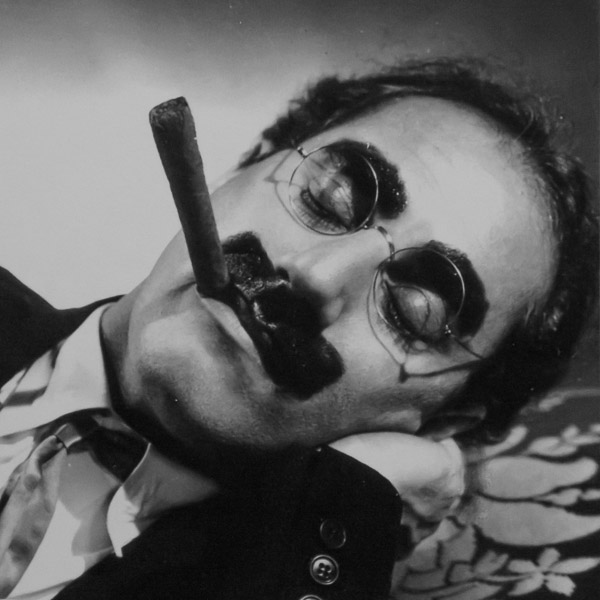
Groucho Marx (1 of 1)

I have always tended towards what one might describe as the ‘Marxist’ view of categorisation – Groucho, that is of course, not Karl – the ‘not wanting to join any club that would have me as a member’ approach. My problems with genres in Photography have been a) that it seems you have no sooner defined one than you find exceptions and contradictions; and b) that if you choose to ‘join’ a category, you become defined, and therefore restricted, by its ‘boundaries’. That this may have stemmed from some muddled thinking, I’m prepared to admit, but there has also been an element of suspicion that such ordering and defining of photographic images – even photographers – has stemmed from academic or archival convenience rather than ‘real’ value. Confession over, we move on to take a more serious view, in the context of the first section of ‘Body of Work’.

The course notes use a quotation from David Bate’s ‘Photography: The Key Concepts’ to summarise genre in Photography. I’ll repeat it:

“… a genre in photography – portraiture, landscape, still life, documentary, etc, – creates an expectation for the meanings to be derived from that type of photograph.” (Page 3)

Bate acknowledges that the notion of genre has been take up more frequently in film theory than in photography study, and also that photography has tended to be classified according to more traditional genres inherited from the field of painting – the first three listed in the quote, for example – but he also notes that:

Genres are processes which evolve and develop or mutate into hybrids.” (Page 4)

So he sees ‘Documentary’ as almost certainly a “… specific invention of photography.” The key seems to be that in theoretical study, the idea of genres enables all those involved – photographer, viewer, student, critic, or whatever – to share expectations and meanings. Crucially, in the context of one of my concerns expressed above, Liz Wells, in Chapter Six of ‘Photography: A Critical Introduction’, says that:

“… genres are defined not by uniformity, but by clusters of characteristic themes, formal and aesthetic concerns, and ideological preoccupations.” and “… are revitalised through aesthetic experimentation and … new issues ...” (Page 310)

It seems that genres are, perhaps, more fluid than I might have thought and that it is acceptable for them to evolve in line with contemporary issues and new ways of working.

Bate, in the rest of his book, stays with the traditional classifications – as listed above – though he does certainly look at the way photography has, at times, mutated and transformed them. Refreshingly, Part One of the ‘Body of Work’ module comes up with a different set of genres – suggesting a kind of matrix into which the traditional genres might be used. The genres looked at here are – Tableaux; Personal journeys and fictional autobiography; The archive; Psychogeography; Conceptual photography; and the ‘catch all’ Genre hopping. Some of these are familiar and some are new, but I do certainly see the potential for some refreshment of thinking in this approach. I can see how an exploration of some of these in my own work will potentially set me off on different tracks and or provide direction for ideas that are already around.

There is a reference in the notes to thinking with photography as opposed to thinking about photography. I felt a little uncertain about that when I first read it. I have sometimes been concerned that, despite studying a visual art, I perhaps think literally rather than visually, and that learning to do the latter could be difficult. I still feel a bit that way – but in reading the Wells’ chapter mentioned above, I came across a quote from Jeff Wall, in a section where Wells uses Landscape as a case study for looking at genre. She quotes Wall as saying “I make landscapes … to work out for myself what the kind of picture (or photograph) we call ‘landscape’ is. This permits me also to recognize the other kinds of picture with which it has necessary connections, or the other genres that a landscape might conceal within itself.” This, I suspect, is thinking with photography, and it encourages me to go out and explore some or all of the genres in the module with my own image-making.

First Tutor Contact & Some Initial Thoughts

Xmas Card 2013

More about this image later!!

I have read through the course notes twice now and, earlier in the week, had a good first conversation with Clive, my tutor. (That is not him in the illustration – to avoid any possible confusion.) As I said in the previous post, it seems essential to maintain an open mind at this stage as to where this major project will travel – and certainly about its destination. I do, as I emerge from my Level Two studies, have some broad ideas as to the general domain.

• I am keen to explore and exploit the potential of digital photographic image-making. And I expect to regard all aspects of digital photographic creativity as ‘at my disposal’ in seeking to create meaning.
• I will want – to an extent – to continue with the ‘studio-based still life’ work on which I focused towards the end of my last Level Two course.
• I can see more potential for exploration of ‘constructed’ images, and the bringing together of material from diverse sources to construct meaning in images.
• But, at the same time, I am concerned that I should not lock myself into an entirely ‘studio-bound’ approach.

I have discussed these thoughts with Clive and he is supportive of those ideas as very broad parameters within which to start out, but also stresses the ‘open mind’ approach. So we have agreed that I will set about taking some photographs/creating some images that interest me, over the next couple of months and then share a selection with him. It has also occurred to me, following the conversation, that, since the first part of the module explores ‘Genre’, I might use some of the defined genres as the starting point for some photographic exploration of my own. (I also see the digital focus as a broadly useful direction for ‘Contextual Studies’ when I get fully under way with that module – exploring the ways in which photography theory & visual cultural thinking in relation to photography has responded to the development of digital image-making and image-sharing, for example.)

Mentioning ‘Contextual Studies’ leads into one ‘procedural’ question that I have put to Clive and subsequently raised with OCA. For reasons that are understandable, there is a policy that, when an OCA student is undertaking more than one module at the same time, they should keep their studies identifiably separate and not allow overlapping of material. The Level Three Photography Handbook that came with the course notes makes more or less that point. However, since the three modules are inextricably linked, that seems like a principle that would be difficult to apply rigidly. ‘Contextual Studies’, I believe, is intended to explore the context in which ‘Body of Work’ is produced. So it would seem very odd, even counter-productive, to not refer to ‘Contextual Studies’ material in this Learning Log. I have asked the question.

And so to the illustration at the top of this post. It is primarily here to supply a bit of visual interest in an otherwise ‘dry’ opening early post and is actually my design for a Christmas card that my wife and I will be sending this year. However, it does illustrate a bit about where my image-making stands at this stage and has some value in the context of my bullet points about direction. It is constructed from photographs of illustrations from second hand books (resized and processed for this context); a photograph that I took locally of a building in Holmfirth; a miniature festive wreath and miniature parcel created by my wife; and a tiny model of a teddy bear. The photographs have been printed and cut, as necessary, with a craft knife, and the ‘set’ was assembled and lit in ‘studio-style’ to create this effect. Some subsequent digital processing created the warm light for the internal scene and added the number over the door, as well as preparing the image for print. It is a bit of fun, naturally, but I am genuinely interested in the multiple layers of meaning that can be created through this type of activity – and I would also acknowledge some influence from Abelardo Morell, whose work I have looked at and enjoyed in the last few weeks – http://www.abelardomorell.net/posts/alice-in-wonderland-2/

Starting Out

Course Notes

So, there it is, ready to go!

I’m not going to say too much in this opening post; it’s really about getting something started. I’ve had a first read through and the path ahead looks no less exciting than it did when I enrolled, I’m pleased to report. This module is, at present, a vast open space, into which I will place a ‘Body of Work’ that will be my final output from this creative journey – alongside my ‘Contextual Studies’, to which this blog will refer from time to time, I’m sure, and my efforts to publicise what I’ve produced, under the module title ‘Sustaining Your Practice’, which will follow in due course. I’ve started out on enough modules now to understand the mix of trepidation and anticipation that one feels at this stage. I really don’t have a clear idea of where this is going to lead, but I don’t think that matters just now – and ideas will begin to emerge and develop over the next few weeks/months. The next step is to have a preliminary chat with Clive, my tutor for this module, and I hope to arrange that shortly – after which there will, I’m sure, be more to say in here.

Until then …